world pop org
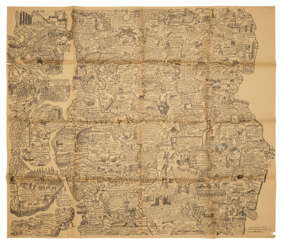

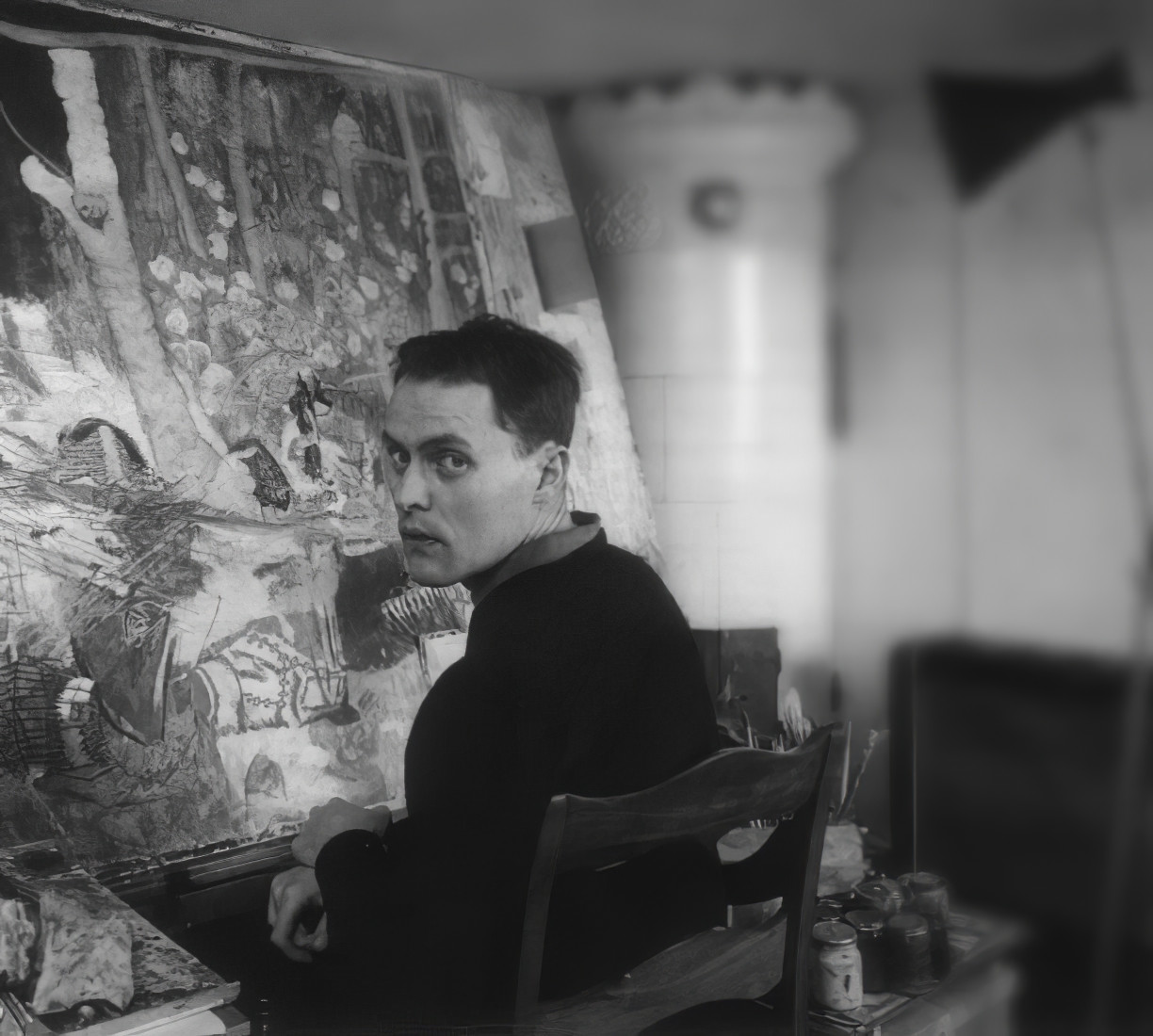
Öyvind Axel Christian Fahlström was a Swedish artist known for his colourful paintings of people and objects in miniature.

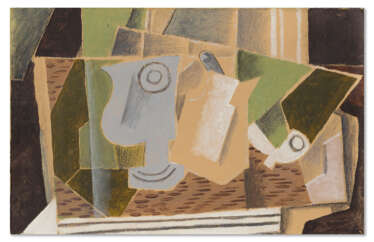

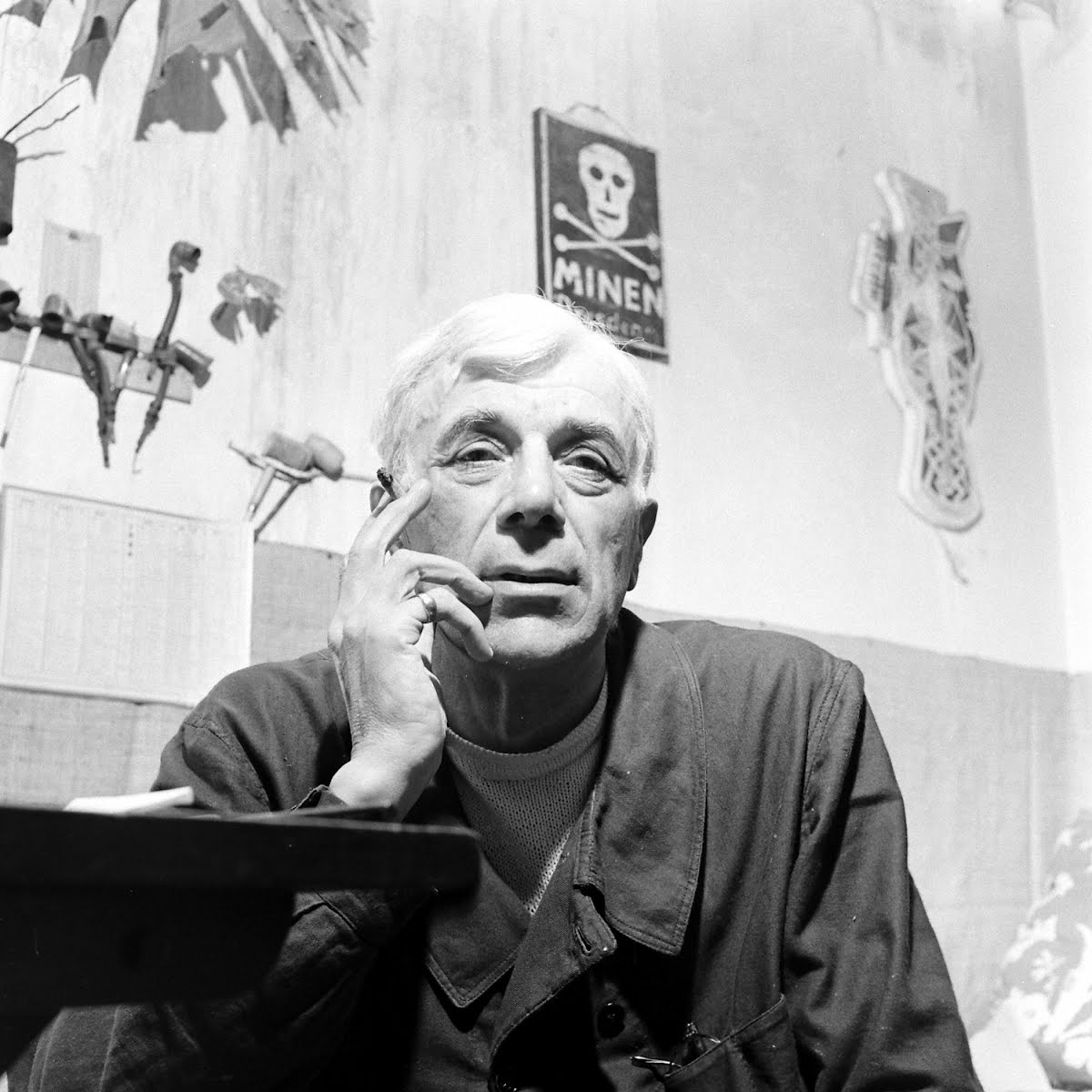
Georges Braque, a French artist, is celebrated as a pivotal figure in the development of Cubism, alongside Pablo Picasso. Braque's artistic journey transitioned from Impressionism to Fauvism before he delved into the groundbreaking realm of Cubism, characterized by its innovative use of perspective and geometric forms. His partnership with Picasso during the early 20th century marked a significant phase in art history, as they collectively pioneered the Analytic and Synthetic phases of Cubism.
Georges Braque's oeuvre is renowned for its technical precision, introspective quality, and harmonious color palettes. His contributions extended beyond painting to include sculpture and collage, demonstrating his versatile mastery over various mediums. Notable works like "Violin and Candlestick" and "Man with a Guitar" underscore his talent in transforming everyday objects into abstracted, multifaceted compositions.
Throughout his career, Georges Braque remained deeply committed to exploring the boundaries of visual perception and form. After World War I, his style evolved, incorporating brighter colors and new themes, yet he maintained a steadfast adherence to Cubist principles. His later years saw a focus on personal motifs, such as birds, which symbolized freedom and dynamism in his art.
Georges Braque's legacy is preserved in prestigious collections worldwide, including the Museum of Modern Art (MoMA), which houses a significant number of his works. His artistic innovations continue to inspire and influence the realms of art and culture.
For collectors and art enthusiasts, Georges Braque's work offers a profound insight into the evolution of modern art and the enduring allure of Cubism. His pieces are a testament to the enduring power of creativity and innovation in the face of changing artistic landscapes.
If you're keen on exploring Braque's contributions to art and wish to stay updated on exhibitions and sales featuring his work, consider subscribing for updates on Georges Braque's pieces and their presence in the art market today.







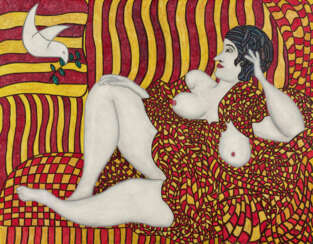

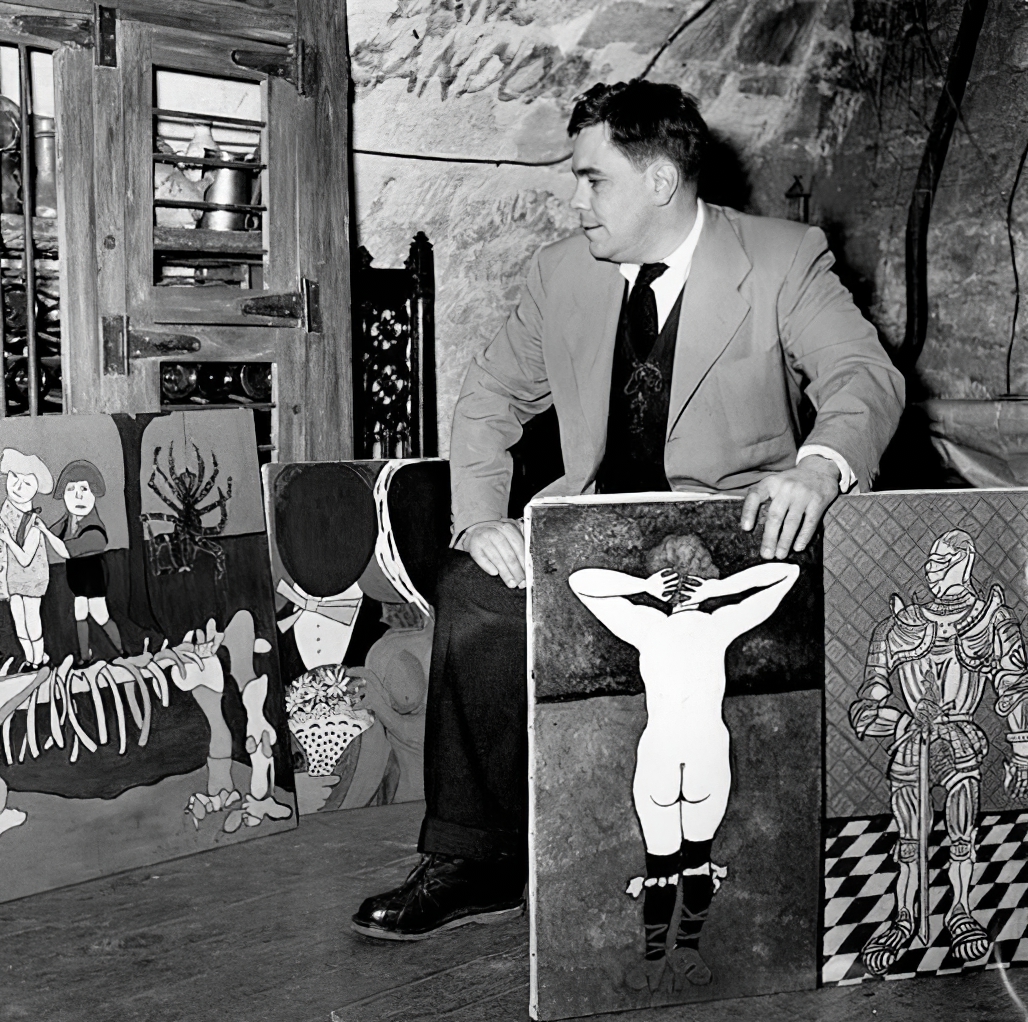
William Nelson Copley was an American painter, writer, gallerist, collector, patron, publisher and art entrepreneur. His works as an artist have been classified as late Surrealist and precursory to Pop Art.
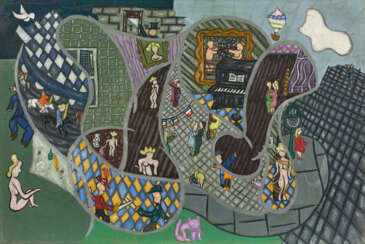

William Nelson Copley was an American painter, writer, gallerist, collector, patron, publisher and art entrepreneur. His works as an artist have been classified as late Surrealist and precursory to Pop Art.




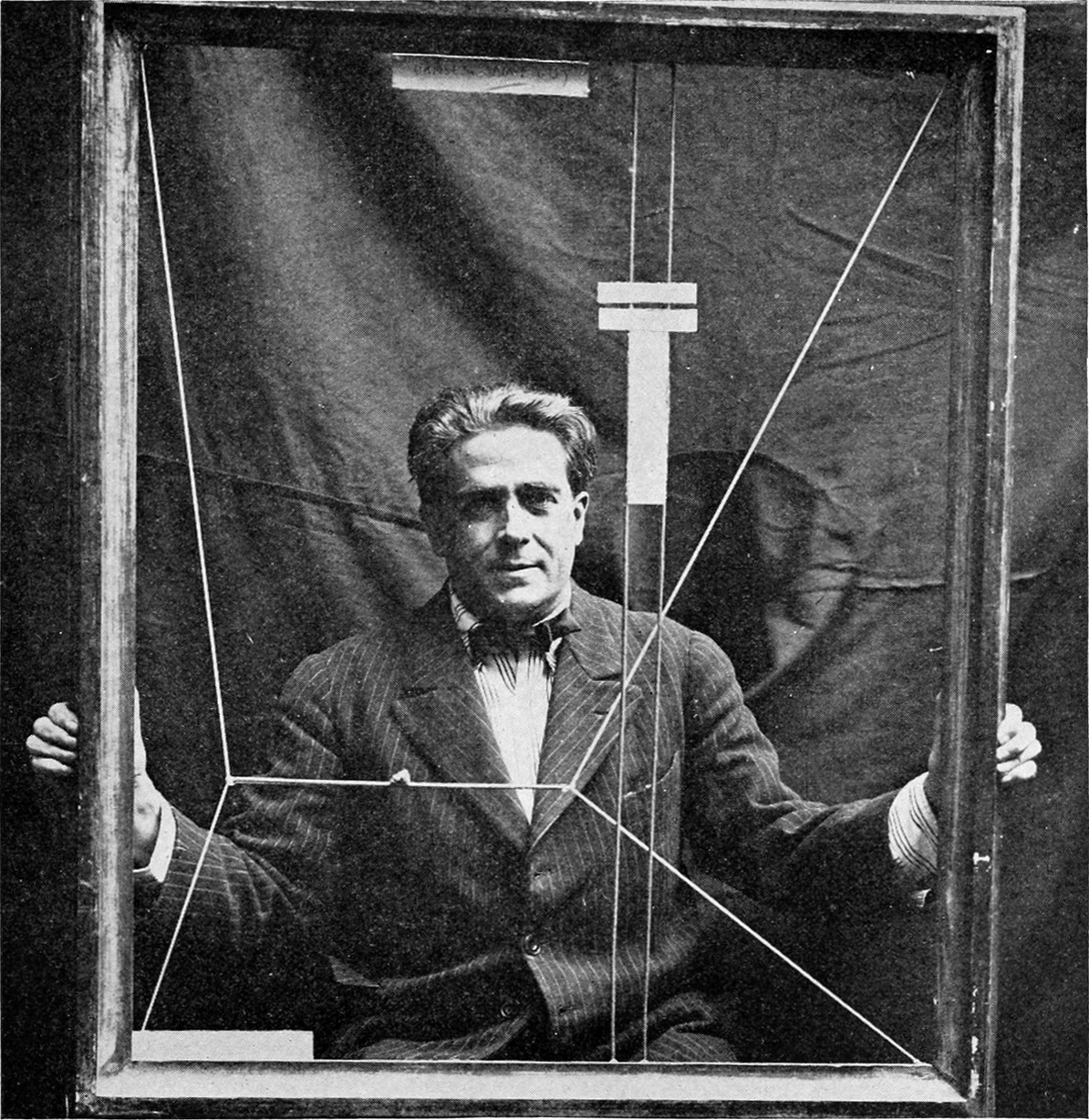
Francis Picabia, born Francis-Marie Martinez de Picabia, was a French avant-garde painter, poet, and typographist, whose work is celebrated for its diversity and innovation. His journey through various art movements, including Impressionism, Cubism, Dadaism, and Surrealism, showcases his refusal to be confined by any one style. Picabia's art is known for its eclectic nature, often blending mechanical elements with organic forms, thereby challenging traditional perceptions of art and beauty.
Picabia's significant contribution to the art world lies not just in his varied artistic output but also in his philosophical approach to creation. He believed in the freedom of expression, often using his art to critique societal norms and the art establishment itself. This rebellious spirit made him a pivotal figure in the Dada movement, where his works were celebrated for their irony and disdain for conventional art values.
Among his notable works, "Amorous Parade" and "I See Again in Memory My Dear Udnie" stand out, housed in prestigious institutions like the Museum of Modern Art in New York. These pieces exemplify Picabia's mastery over blending different elements of art movements, creating works that remain influential to this day. His legacy is not just in the pieces he created but also in his attitude towards art, encouraging future generations to challenge and redefine the boundaries of creativity.
For collectors and experts in art and antiques, Picabia's works represent not only significant artistic achievements but also valuable insights into the evolution of modern art. To stay informed about new product sales and auction events related to Francis Picabia, sign up for updates. This subscription is an essential resource for enthusiasts looking to enrich their collections with pieces from one of the most innovative artists of the 20th century.
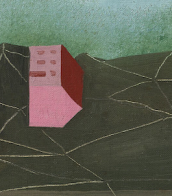


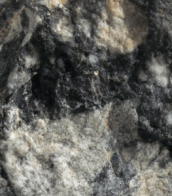
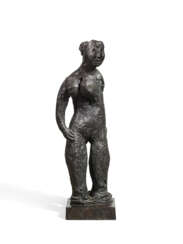

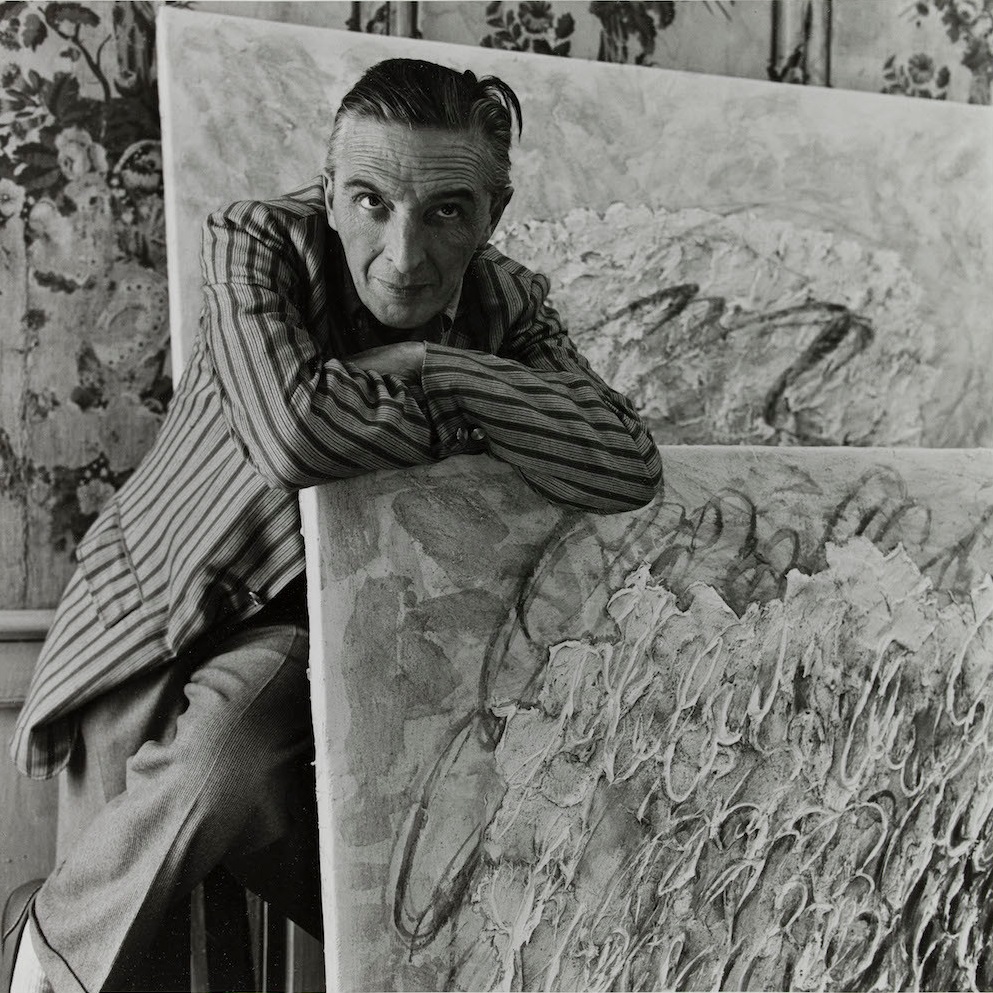
Jean Fautrier was a French painter and sculptor associated with the Art Informel and Tachisme movements. He initially studied architecture before turning to painting in the early 1920s.
Fautrier's early work was influenced by Cubism and Surrealism, but he eventually developed a more abstract style characterized by thick impasto and expressive brushwork. He often used unconventional materials, such as asphalt, sand, and tar, to create textured surfaces that conveyed a sense of materiality.
During World War II, Fautrier was active in the French Resistance and went into hiding to avoid arrest by the Nazis. His experiences during the war had a profound impact on his work, which became darker and more introspective. He began to create what he called "Hostage" paintings, which depicted anonymous faces and figures that were both haunting and vulnerable.
After the war, Fautrier continued to explore themes of violence, trauma, and decay in his art. He created a series of "Otages" (Hostages) sculptures that were made from casts of human limbs and torsos. These works were highly controversial and provoked strong reactions from critics and the public alike.
Fautrier's influence on the development of Art Informel and Tachisme was significant, and he is regarded as one of the key figures of the movement. His work is represented in many major museums and collections around the world, including the Centre Georges Pompidou in Paris and the Museum of Modern Art in New York.


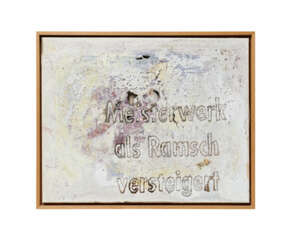

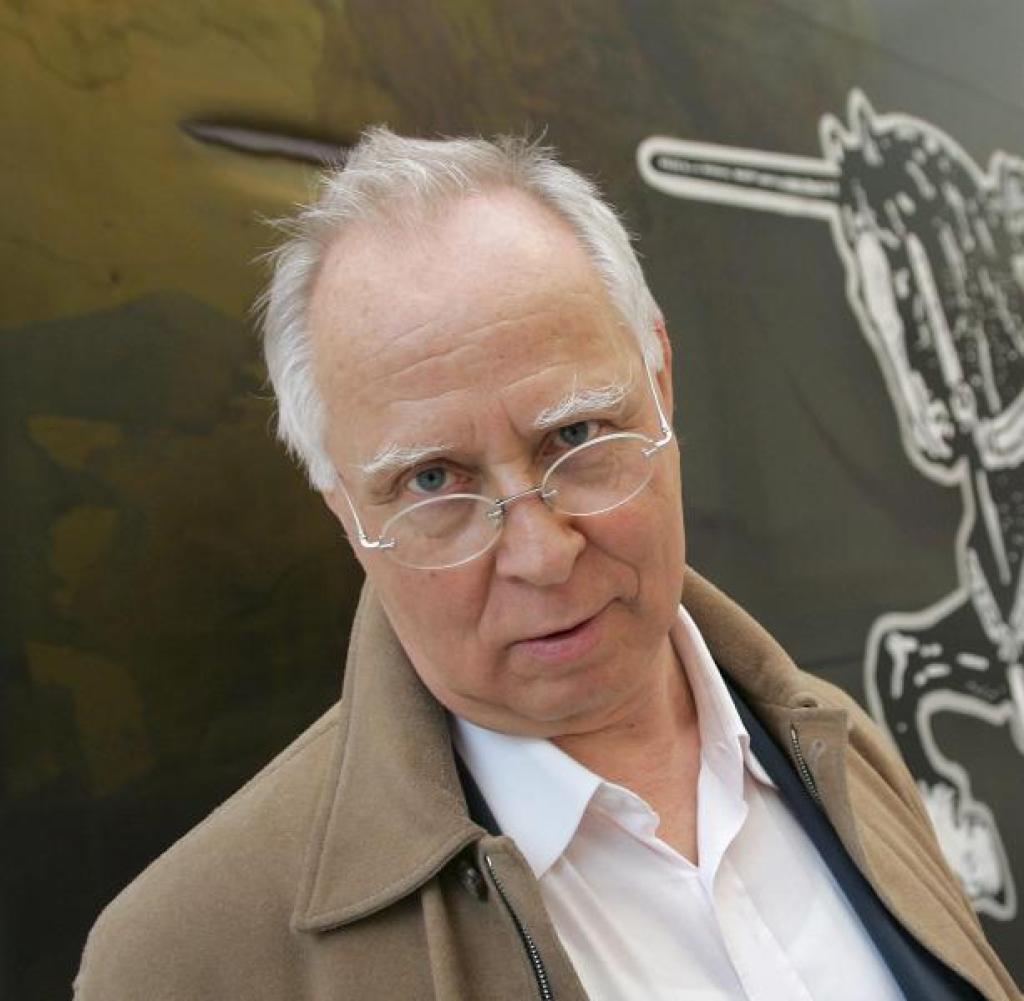
Sigmar Polke was a German painter and photographer.
Polke experimented with a wide range of styles, subject matters and materials. In the 1970s, he concentrated on photography, returning to paint in the 1980s, when he produced abstract works created by chance through chemical reactions between paint and other products. In the last 20 years of his life, he produced paintings focused on historical events and perceptions of them.



.jfif)
Joseph Fernand Henri Léger was a French artist renowned for his innovative approach to Cubism and his transition towards a figurative, populist style. Born in Argentan, Orne, Lower Normandy, Léger's early career was marked by a stint as an architectural draftsman and a series of educational pursuits that eventually led him to Paris, where he embraced painting seriously. His artistic journey was significantly influenced by the bold abstractions of Cubism, characterized by geometric shapes and a vibrant palette, distinguishing his work from his contemporaries with what came to be known as "Tubism".
Léger's service in World War I profoundly impacted his artistic direction, leading him to adopt a 'mechanical' style that depicted the modern industrial world with sleek, tubular forms. This period saw creations like "Soldier with a Pipe" and "The Card Players," reflecting his war experiences and the mechanical aesthetics of the time. The post-war era encouraged Léger to explore the mechanical style further, evident in works like "The Bargeman" and "Mechanical Elements," highlighting the pace of technological advancement.
Throughout his career, Léger's work evolved, notably in the 1920s, where he aligned with Purist ideas, blending classicism with modernity. This phase is exemplified in "Woman with a Cat," showcasing a classical form with a modern, polished finish. By the 1930s, Léger's art took a more figurative, populist turn, aiming to democratize contemporary art and make it more accessible. His commitment to art education, especially for the common worker, underscored his belief in the social role of art.
For those intrigued by Joseph Fernand Henri Léger's groundbreaking contributions to modern art, his works can be found in prestigious museums worldwide. His legacy continues to inspire art collectors and enthusiasts alike. To stay updated on exhibitions and auction events featuring Léger's work, sign up for updates and embrace the unique opportunity to explore the richness of his artistic endeavors.


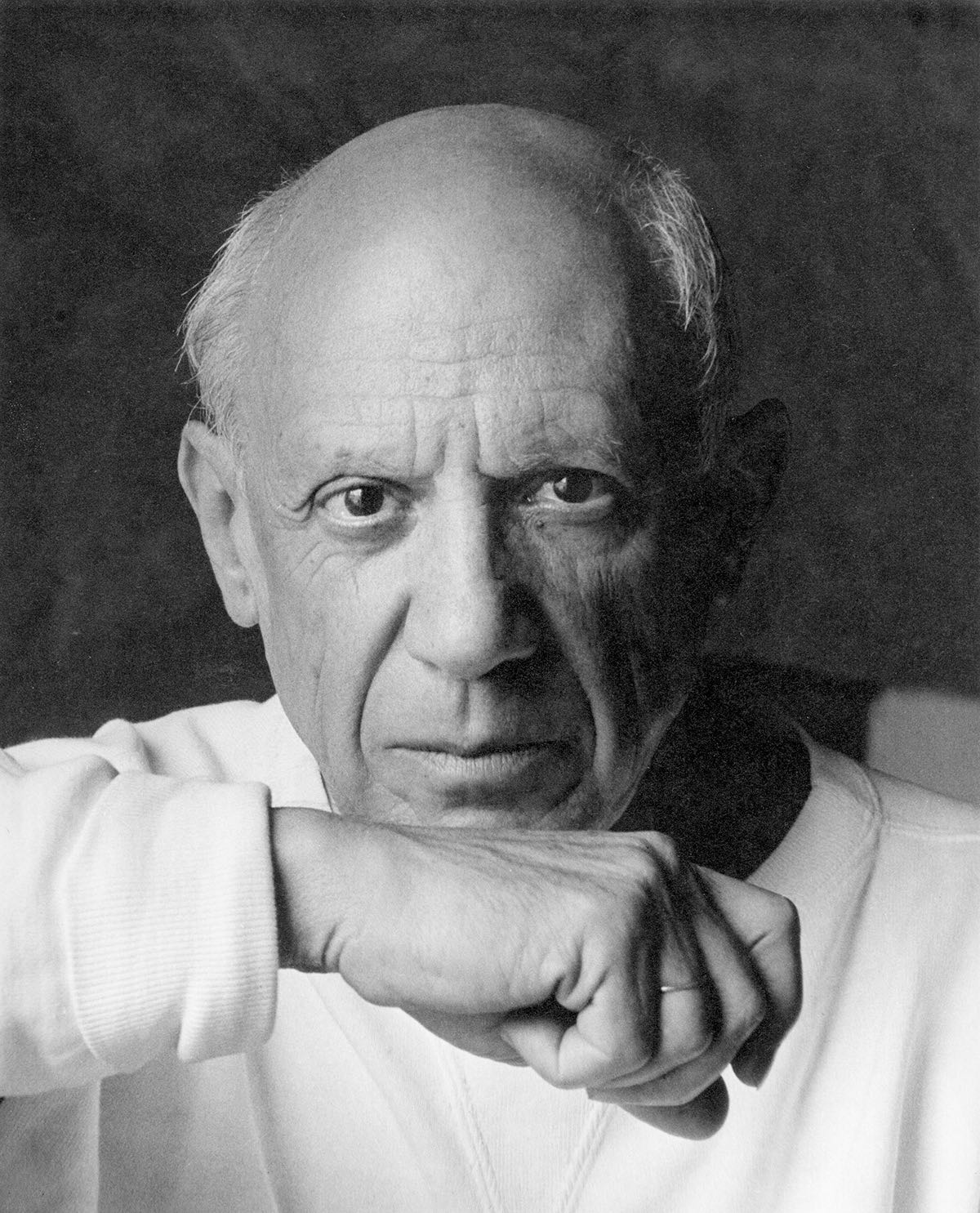
Pablo Ruiz Picasso, a Spanish artist renowned for his revolutionary contributions to the 20th-century art scene, is a figure that resonates profoundly with collectors and art experts. His unique blend of talents in painting, sculpture, printmaking, and ceramic art, infused with his time in France, positioned him as a pivotal character in modern art history.
Picasso's artistic journey was marked by distinct periods, each showcasing his evolving style and genius. His early years were characterized by the Blue Period (1901-1904), followed by the Rose Period (1904-1906), and then the African-influenced Period (1907-1909). Picasso's name is synonymous with Cubism, a movement he co-founded, which significantly altered artistic perspectives and methods. Works like "Les Demoiselles d'Avignon" (1907) and "Guernica" (1937) are emblematic of his cubist legacy, the latter being a poignant anti-war statement that remains influential.
His later years saw a return to more traditional styles, with neoclassical and surrealist influences becoming evident. Works from these phases reflect a deep engagement with mythological themes, as seen in "Faun with Stars" (1955), symbolizing his late-life romance with Jacqueline Roque, his second wife.
Picasso's prolific output and innovative spirit made him a legend in his own time, a status that only grew after his death. His works, housed in major museums and private collections worldwide, continue to captivate and inspire.
As a collector or expert in art and antiques, staying informed about Picasso's works, their auction events, and sales is essential. To stay updated on the latest developments and opportunities related to Pablo Picasso, sign up for our specialized updates. Rest assured, this subscription will focus solely on new product sales and auction events pertaining to Picasso's art, ensuring that you receive only the most relevant and valuable information.
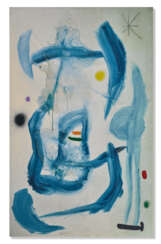

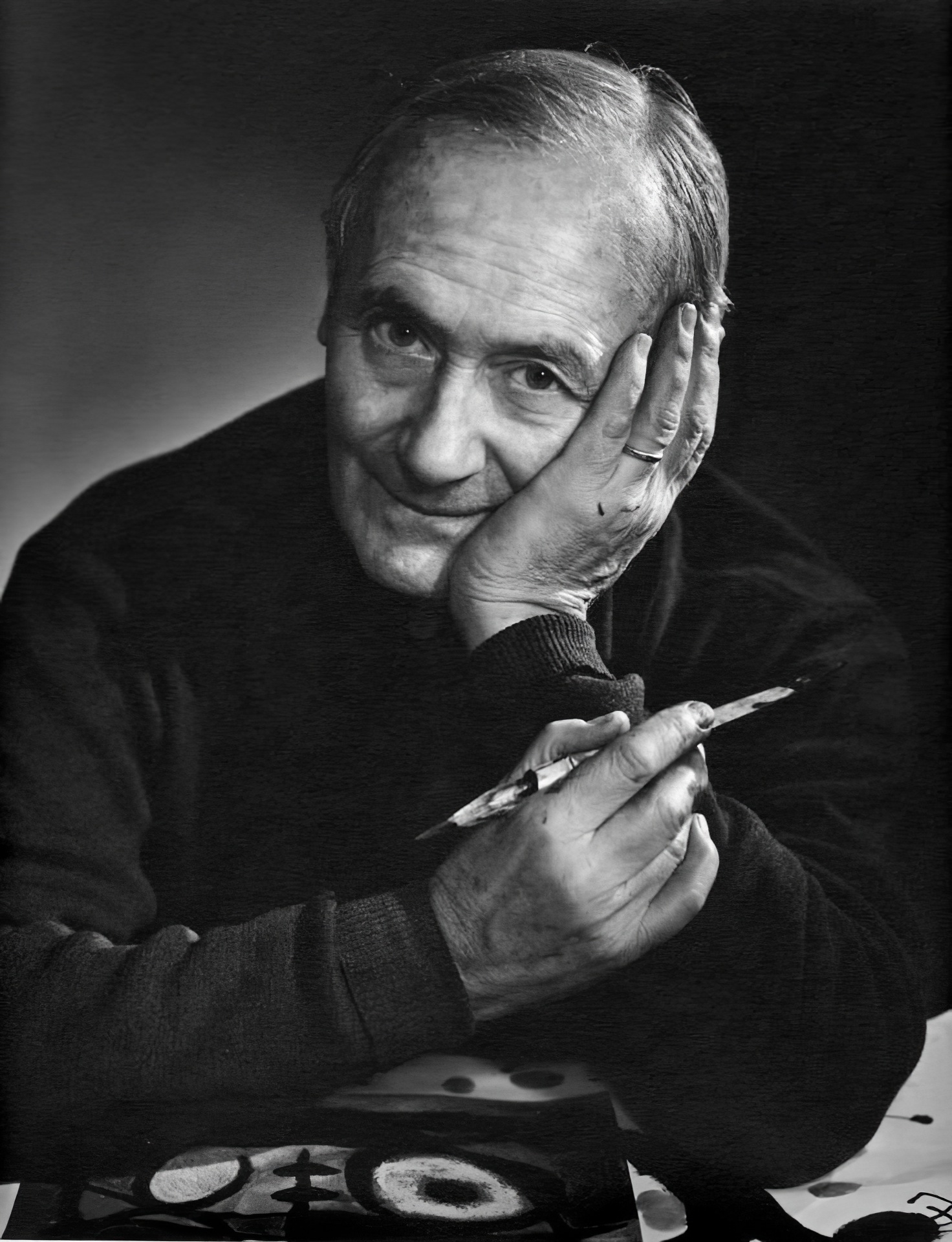
Joan Miró, a celebrated Spanish artist, was a master in painting, sculpture, and ceramics, renowned for his unique style that blurred the lines between Surrealism, Fauvism, and Expressionism. Born in Barcelona to a family of a goldsmith and a watchmaker, Miró grew up immersed in the rich cultural heritage of the Barri Gòtic neighborhood. His artistic journey began with drawing classes at the age of seven and continued at the prestigious La Llotja art academy. Despite an initial venture into the business world, Miró's passion for art prevailed, leading him to abandon his clerical career after a nervous breakdown.
Miró's work is noted for its exploration of the subconscious, often depicting a childlike perspective. This approach was both a critique of traditional painting methods and a means of expressing Catalan pride. His art, challenging to categorize, often featured symbolic elements and nationalistic qualities. One of his notable early works, "The Farm," reflects a transition to a more individual style, blending elements of his Catalan roots with broader artistic influences. This piece, later purchased by Ernest Hemingway, encapsulated the essence of Spain in its imagery.
In Paris, Miró joined the Surrealist movement in 1924, where his work began to reflect the influence of automatism, emphasizing spontaneous, automatic, or subconscious creation. He experimented with various mediums, including painting-poetry and collage, and even ventured into set and costume design for Sergei Diaghilev's Ballets Russes.
During World War II, Miró remained in Spain, and his work from this period, including the 22 Constellations series, reflected an interest in the night, music, and stars. His forms became increasingly abstracted, and he experimented with various techniques, often incorporating primary colors and evocative titles.
Miró's career spanned several decades, during which he continually evolved his style and explored new mediums. His contributions to art were recognized with numerous awards and retrospectives, including a major career retrospective at MoMA in 1941 and the Spanish Gold Medal for Fine Arts in 1980. Among his last major works was a tapestry for the World Trade Center in New York City, created in 1974.
For art collectors and enthusiasts, Joan Miró remains a figure of immense interest, not only for his distinct style and contributions to Surrealism but also for his ability to blend poetic imagery with political commentary. To stay updated on new product sales and auction events related to Joan Miró, sign up for our updates and immerse yourself in the world of this extraordinary artist.



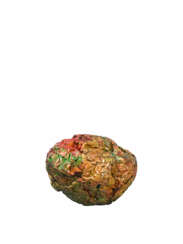

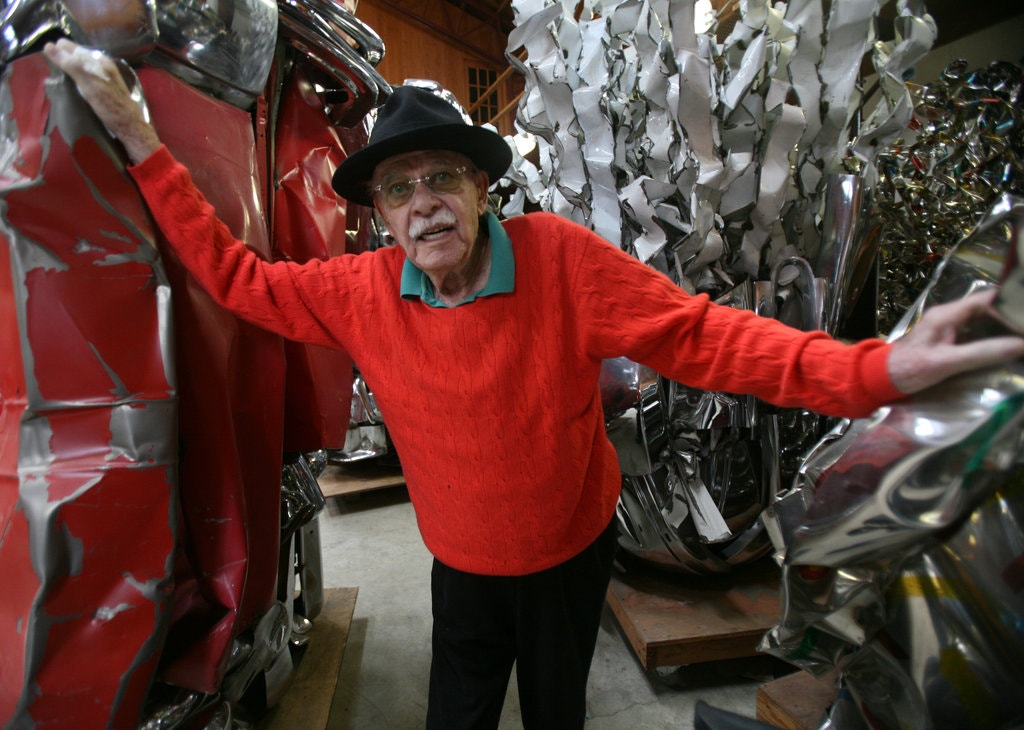
John Angus Chamberlain was an American sculptor. At the time of his death he resided and worked on Shelter Island, New York.
Chamberlain is best known for creating sculptures from old automobiles (or parts of) that bring the Abstract Expressionist style of painting into three dimensions.







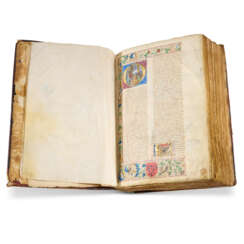
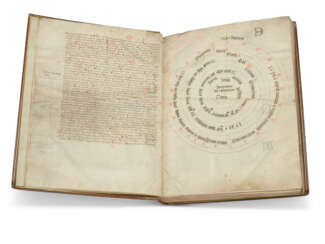
![Nova translatio primi [et septimi] libri Geographiae Cl. Ptolomaei](/assets/image/picture_1696206/5d393/73099305f01907b8a6a3c27c480486e31633096800jpg__fix_374_244.jpeg)
![Nova translatio primi [et septimi] libri Geographiae Cl. Ptolomaei](https://veryimportantlot.com/assets/image/picture_1696206/5d393/73099305f01907b8a6a3c27c480486e31633096800jpg__fix_374_244.jpeg)
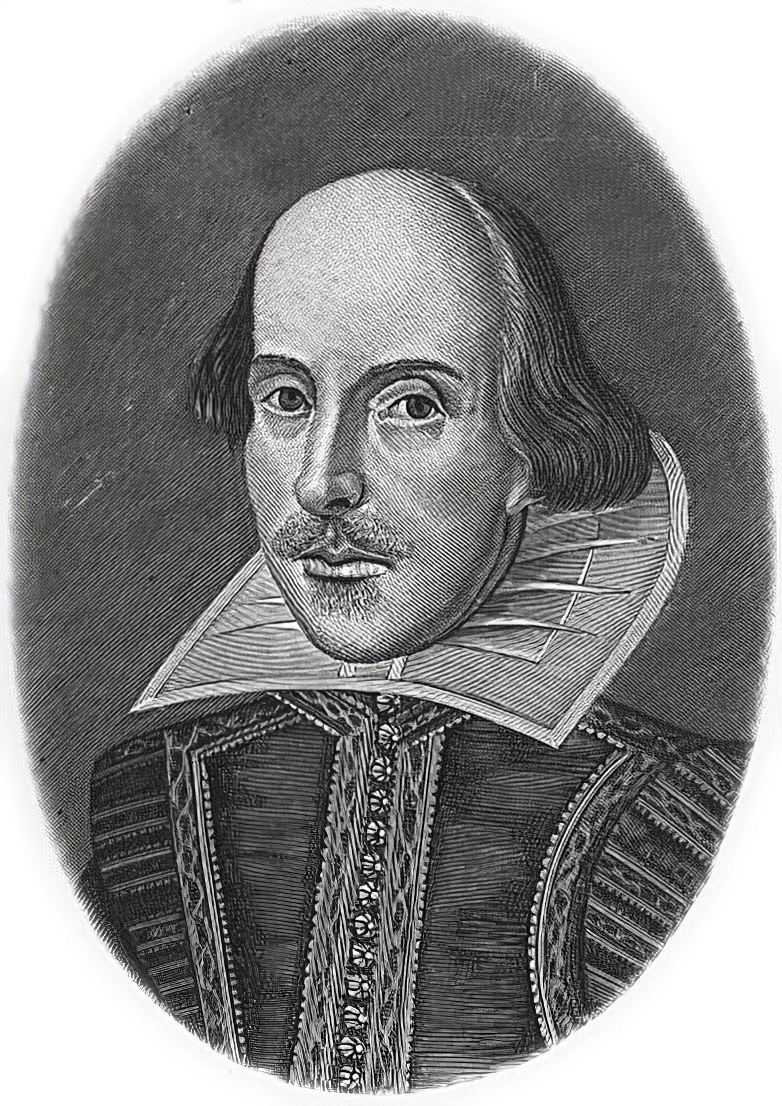
William Shakespeare was a British poet and playwright and writer.
William's father, John Shakespeare, was a merchant and official in Stratford. There are reports that he was a sailor for a time before joining a theater company in London. Beginning in the 1590s, Shakespeare began writing plays, and in 1593 he published a poem, Venus and Adonis, which became popular. He dedicated it to the Duke of Southampton, who was a philanthropist and patron of talent, and soon his business was booming.
From 1592 to 1600 Shakespeare wrote his dramas and romantic comedies "Richard III", "The Taming of the Shrew", "Romeo and Juliet", "A Midsummer Night's Dream" and "The Merchant of Venice", as well as the comedies "Much Ado About Nothing", "Twelfth Night" and the tragedy "Julius Caesar". The playwright's business was so successful that he even bought a large house in Stratford. In 1599, Shakespeare became one of the owners, playwright and actor of the new theater "Globe". In 1603 King James took Shakespeare's troupe under his direct patronage. In the mature period, the great playwright turned to tragedies, there were "Hamlet", "Othello", "King Lear", "Macbeth" and others.
Although in the 19th century researchers had some doubts about the authorship of many of these works, William Shakespeare is considered the greatest English playwright, one of the best playwrights in the world. His plays have been translated into all major languages and to this day form the basis of the world theatrical repertoire, most of them have been screened many times. According to the Guinness Book of Records, Shakespeare remains the world's best-selling playwright, and his plays and poems have sold more than 4 billion copies in the nearly 400 years since his death.
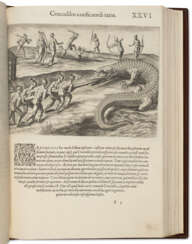

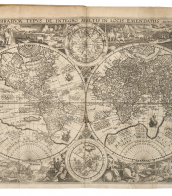
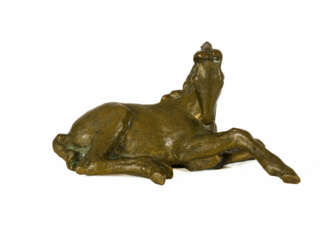







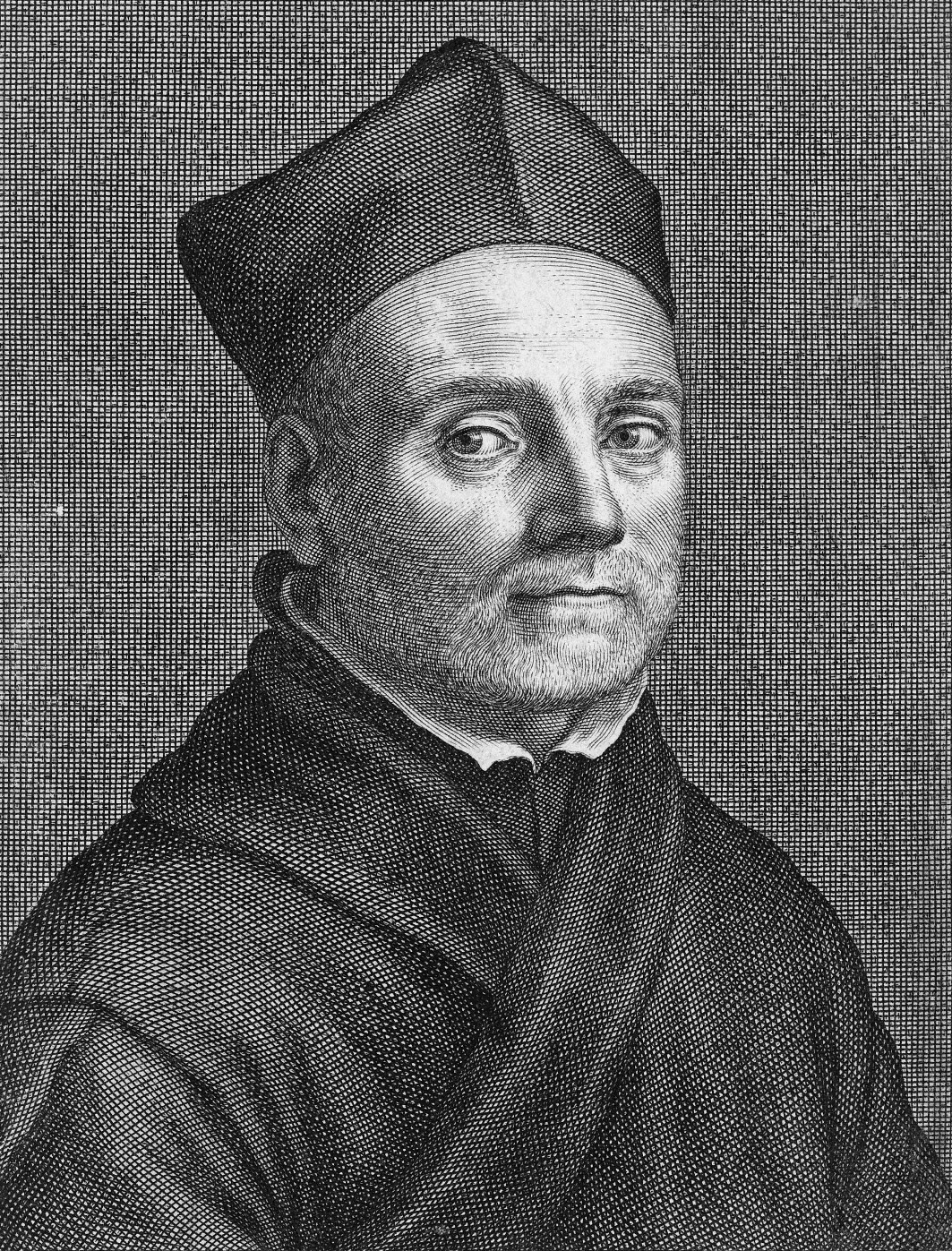
Athanasius Kircher was a German scholar, inventor, professor of mathematics and oriental studies, and a friar of the Jesuit order.
Kircher knew Greek and Hebrew, did scientific and humanities research in Germany, and was ordained in Mainz in 1628. During the Thirty Years' War he was forced to flee to Rome, where he remained for most of his life, serving as a kind of intellectual and information center for cultural and scientific information drawn not only from European sources but also from an extensive network of Jesuit missionaries. He was particularly interested in ancient Egypt and attempted to decipher hieroglyphics and other riddles. Kircher also compiled A Description of the Chinese Empire (1667), which was long one of the most influential books that shaped the European view of China.
A renowned polymath, Kircher conducted scholarly research in a variety of disciplines, including geography, astronomy, mathematics, languages, medicine, and music. He wrote some 44 books, and more than 2,000 of his manuscripts and letters have survived. He also assembled one of the first natural history collections.